
If you experience a dental emergency, contact our Edmonton dental clinic immediately for assistance. Treating a dental emergency promptly is crucial for minimizing damage and alleviating pain. Our general dentistry services include emergency dentistry services in Edmonton, AB, to help protect your oral health when unexpected issues arise.
Knowing how to manage the situation and recognizing the types of emergencies can help protect your oral health. Our office makes every effort to see dental emergencies on the same day when necessary to resolve the problem.
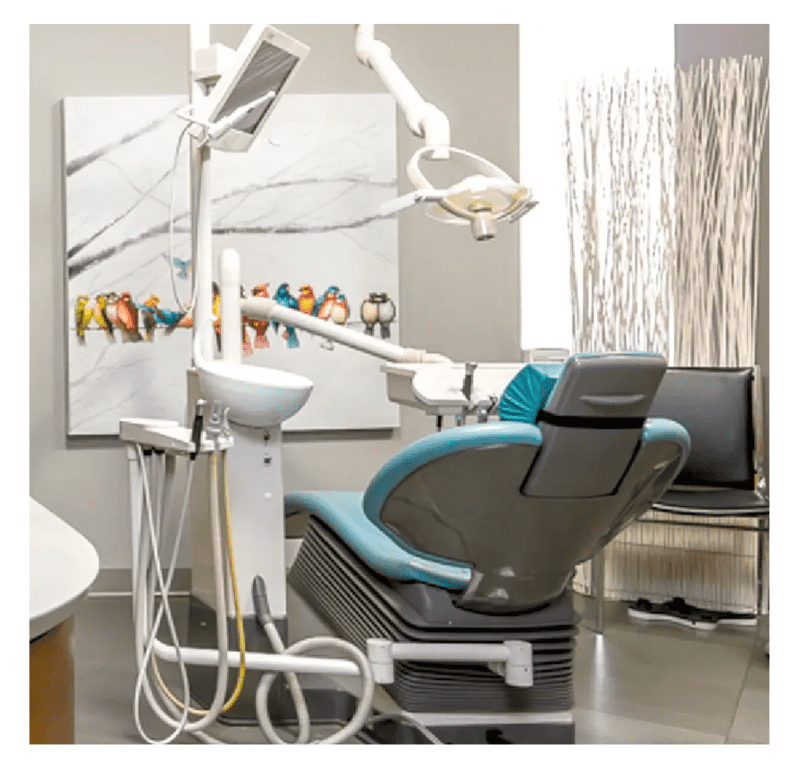 Treating a Dental Emergency
Remaining calm can help you assess the situation clearly and take appropriate action. Reliance Dental can provide guidance and prioritize your appointment based on the urgency of your condition. We provide emergency dentistry services in Edmonton, AB. Dental emergencies can happen to anyone, and knowing what to do can make a big difference in saving your teeth and gums.
Knocked-Out Tooth
A knocked-out tooth happens when a tooth is completely dislodged from its socket, often due to an accident or injury. If this happens, pick up the tooth by the crown (the part you chew with), rinse it gently with water, and try to place it back in the socket. If that’s not possible, keep it in a cup of saliva and get to our dentist right away.
We may reattach the tooth if you keep the tooth moist and get to our office in time. If we cannot reattach your tooth, we’ll recommend dental implants.
Chipped or Fractured Tooth
A chipped or fractured tooth can occur from trauma, like a fall or sports injury, or even from biting down on something hard. The severity of the chip or crack will determine the treatment. We can fix small chips can often be fixed with tooth bonding. Our office may recommend a dental crown if you have a large fracture.
Severe Toothache
A severe or persistent toothache is often a sign of a problem like a cavity, infection, or even a cracked tooth. At home, you can take pain medication and use a cold compress if you experience swelling. Contact our office if the pain doesn’t go away or gets worse.
If you have a broken tooth, we may recommend a crown. Depending on the extent of your infection, we may recommend a root canal or tooth extraction. If we can save your tooth, we can remove the infection and restore damaged parts of your tooth. But if we can’t save a severely decayed tooth, removing it will prevent the spread of infection.
Broken or Lost Filling/Crown
Fillings and crowns are used to protect damaged teeth, but they can sometimes break or fall out. When this happens, the tooth becomes exposed and may feel sensitive or painful. If you lose a filling or crown, try to keep the area clean and avoid chewing on that side of your mouth. See our dentist as soon as possible so we can repair or replace your filling or crown.
Abscessed Tooth
An abscessed tooth is a serious infection that occurs at the root of a tooth or between the gum and tooth. It can cause severe pain, swelling, and even a fever. If left untreated, the infection can spread to other parts of the body. If you suspect an abscess, see our dentist immediately. We can drain the infection and prescribe antibiotics.
Soft Tissue Injuries
Injuries to the soft tissues in your mouth, such as your gums, cheeks, or lips, can happen from accidents, falls, or sports. These injuries can cause bleeding and pain. Rinse your mouth with warm water and apply gentle pressure with a clean cloth to stop the bleeding. If the cut is deep or won’t stop bleeding, you may need stitches, so head to our dentist. We recommend that you visit a hospital emergency room if you have a physical injury that results in excessive bleeding.
Orthodontic Emergencies
If you have braces, you might experience issues like broken brackets, poking wires, or loose bands. These problems can cause discomfort and even slow down your treatment. If a wire pokes you, try covering it with orthodontic wax until you can see your orthodontist. For more serious issues, like a broken bracket, schedule an appointment to have it fixed as soon as possible.
Patient Review
How to Prevent A Dental Emergency
Frequently Asked Questions
We welcome you to read answers to common questions about emergency dentistry care from your local Edmonton dentist.
Can I wait to treat a toothache if the pain comes and goes?
Even if a toothache goes away on its own, you should not ignore it. Pain that comes and goes can be a sign of a cavity, a cracked tooth, or an infection starting in the tooth. Treating the problem early is important because waiting can make the issue worse, more painful, and harder to fix later. Contact us so we can examine the tooth and recommend the right treatment.
Is dry socket a dental emergency?
Yes, a dry socket is considered a dental emergency because it can be very painful and needs quick treatment. A dry socket happens when the blood clot that protects the bone after a tooth extraction becomes loose or falls out too soon. Call us if you have severe pain a few days after an extraction. We can clean the area, place a soothing dressing, and help relieve your pain while the site heals.
Is a dental abscess a dental emergency?
Yes. An abscess is an infection at the root of a tooth or in the gums that can cause severe pain, swelling, and sometimes a fever. If left untreated, the infection can spread to other parts of the body. Call our office right away so a dentist can drain the infection, prescribe antibiotics if needed, and save your tooth whenever possible.
Is swelling in my face or gums an emergency?
Yes, this swelling could be a sign of a serious dental infection and should be treated quickly. If the swelling spreads or makes it hard to breathe, swallow, or open your mouth, go to the hospital immediately. For mild swelling, call our office right away so we can examine you and provide the right treatment before it becomes more serious.
How can I manage dental pain at home before my emergency visit?
You can take over-the-counter pain relievers to reduce discomfort. Applying a cold compress to the outside of your cheek can help with swelling and pain. You can also gently rinse your mouth with warm salt water to soothe irritated gums. Avoid putting aspirin directly on your tooth or gum, because it can cause irritation. These steps can help you feel more comfortable until you can see our dentist.
Can a cracked tooth become an emergency?
Yes, a cracked tooth can become a dental emergency if it causes severe pain or exposes the tooth’s nerve. Even small cracks can get worse over time, leading to infection or a broken tooth. Contact our office as soon as possible so we can examine the tooth and provide treatment to prevent more tooth damage.
Get Urgent Dental Care
We provide same-day dental care. Call 587-840-9984 for emergency dentistry services in Edmonton, AB. If you do not have an emergency, you can schedule an appointment with us online.
Let us know if you have questions about your dental problems. We will determine if you need emergency care. Our office serves Walker Lakes, Ellerslie, Summerside, and South Edmonton.