
Dental implants are a long-term solution for replacing missing teeth, offering strength, stability, and a natural appearance. While the procedure itself is often highly successful, proper aftercare ensures the implant heals correctly and lasts for many years. At Reliance Dental Family Dentistry, we’re here to help you understand what to expect after surgery and how to care for your dental implant. The right dental implant aftercare after treatment in our Edmonton, AB office can make the recovery process smoother and more comfortable.
The Importance of Implant Aftercare
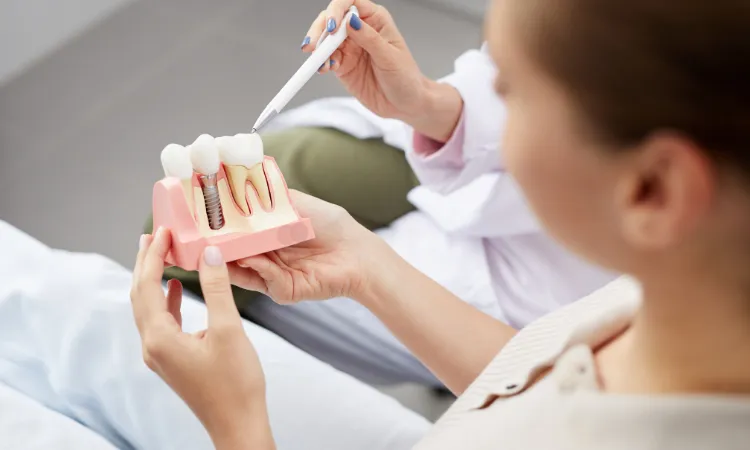
Implants rely on a process called osseointegration, where the implant post bonds with the surrounding bone. This healing phase determines the long-term success of the implant. Poor oral hygiene, excessive pressure, or ignoring post-operative instructions can interfere with healing and increase the risk of complications such as infection or implant failure.
What to Expect Right After Surgery
The first few days after your implant placement are the most important. You can expect some swelling, mild discomfort, and slight bleeding. This is all normal as your body heals.
Swelling usually peaks within 48 hours and then starts to go down. You may also notice some bruising around the area. That is also normal and will fade in a few days.
Rest is important during this time. Take it easy. Avoid strenuous activity for the first few days. Too much physical activity can increase bleeding and slow down healing.
Managing Pain and Swelling
Pain after dental implant surgery is usually manageable. Most people find it less uncomfortable than they expected. Over-the-counter pain relievers often do the trick. Your dentist may also prescribe something stronger if needed.
Take your medication as directed. Don’t wait until the pain gets bad. It’s easier to stay ahead of the discomfort.
Ice packs are your best friend during the first 24 hours. Apply an ice pack to the outside of your cheek near the implant site. Keep it on for 15 to 20 minutes at a time. This helps reduce swelling and numbs the area.
Keep your head elevated when resting. Prop yourself up with an extra pillow. This helps minimize swelling and promotes better healing.
Eating and Drinking After Implant Placement
Your diet plays a big role in your recovery. Stick to soft foods for the first few days. Foods like yogurt, soup, mashed potatoes, and smoothies are gentle on your mouth. They give you the nutrition you need without putting stress on the implant site.
Avoid hot foods and drinks for the first day. Heat can increase bleeding. Stick to lukewarm or cool options.
Do not chew directly on the implant area. Chew on the other side of your mouth until your dentist gives you the green light. This protects the implant while it heals.
Stay hydrated, but skip the straw. Suction from a straw can dislodge the blood clot that is forming over the implant site. That can delay healing and increase the risk of complications.
Oral Hygiene During Healing
You want to keep your mouth clean, but you have to be careful around the surgical site. Brush your other teeth gently. Use a soft-bristled toothbrush and avoid brushing directly over the implant site for the first few days.
We may recommend a mild saltwater solution to help keep the area clean and reduce bacteria. Rinse gently and don’t swish vigorously.
Avoid These Habits
Certain habits can delay healing and put your implant at risk.
- Smoking. This is one of the biggest threats to implant success. Smoking reduces blood flow to your gums and bone. That slows healing and increases the risk of infection. If you smoke, try to quit or at least cut back during recovery.
- Alcohol. Alcohol can interfere with healing and interact with medications. Avoid it for at least the first few days.
- Strenuous activity. Keep your heart rate down for the first few days. Skip the gym. Avoid heavy lifting. Let your body focus on healing.
- Touching the site. Keep your fingers and tongue away from the implant area. You do not want to introduce bacteria.
The Role of Osseointegration
One of the most important parts of dental implant aftercare is understanding osseointegration. This is the process where your jawbone fuses with the titanium implant post. It is what makes implants so strong and stable.
Healing usually takes three to six months. During this period, your bone grows around the implant and locks it in place. Proper aftercare is essential because anything that interferes with this process can cause the implant to fail.
Follow your dentist’s instructions carefully. Protect the implant site. Eat well. Avoid habits that slow healing. Your patience during this phase pays off with a permanent, stable tooth.
Long-Term Care for Your Implant
Once your implant has fully healed and your final dental crown is placed, caring for it is simple. Treat it like a natural tooth.
Brush twice a day with a soft-bristled toothbrush. Floss daily. Pay special attention to the area where the crown meets the gum line. Plaque can build up there and cause inflammation.
Visit your dentist regularly. Professional cleanings help keep your implant and surrounding tissues healthy. Your dentist will check the implant and make sure everything is in good shape.
While the implant itself cannot decay, the gum tissue around it can still become infected. This is called peri-implantitis. It is similar to gum disease and can cause bone loss if not treated. Good oral hygiene and regular checkups prevent this.
When to Call Your Dentist
Most implant recoveries go smoothly. But you should call your dentist if you notice any of these warning signs.
- Pain that gets worse instead of better after three days
- Swelling that does not go down or gets worse
- Bleeding that does not stop
- Fever or chills
- Unusual discharge or a bad taste in your mouth
These could be signs of infection or other complications. Early intervention can prevent minor issues from becoming major problems.
Learn More About Dental Implant Care in Edmonton, AB
At Reliance Dental, we are dedicated to helping you maintain a strong and healthy bite. If you have a missing tooth, your oral health could be at risk. Contact our office today to schedule a consultation and see if a dental implant could be right for you.